
Do You Need Damp Proofing Before Renovating a Lowestoft Home?
Damp is one of those problems that many homeowners hope will go away on its own. A patch of peeling paint, a bit of bubbling plaster or a musty smell in the corner can be easy to ignore, especially when you are more focused on the exciting parts of a renovation.
But if you are planning to renovate a home in Lowestoft, damp is something worth checking properly before the main work begins.
Across areas like Kirkley, Pakefield, North Lowestoft, Oulton Broad, Gunton and Carlton Colville, homes vary from older terraces to family houses and coastal properties. Some have been updated over the years, while others still have older plaster, poor ventilation or previous repairs that may not have solved the real issue.
If damp is missed at the start, it can affect plastering, decorating, flooring, kitchens, bathrooms and even structural elements. That is why it makes sense to deal with it before spending money on finishes.
Why Damp Should Be Checked Early
A renovation should leave your home feeling fresh, dry and comfortable. If damp is hiding beneath old paintwork or plaster, new finishes may only look good for a short time.
Once walls are repainted, rooms are replastered or new flooring is laid, any unresolved moisture issue can start to show again. Paint may blister, plaster can stain, skirting boards may soften and rooms can begin to smell damp again.
Checking early helps avoid wasted work. It also gives your builder a clearer idea of what needs doing before the visible improvements begin.
If you are planning a wider property refurbishment, identifying damp at the start can help the whole project run in a much more sensible order.
Common Signs of Damp
Damp does not always look dramatic. Sometimes the signs are subtle.
You may notice darker patches on walls, flaking paint, crumbling plaster, mould in corners, a musty smell or cold areas that never seem to dry out properly. In older homes, damp can also appear around chimney breasts, bay windows, external walls, bathrooms and ground floor rooms.
Not all damp is the same. It could be caused by condensation, poor ventilation, leaking gutters, damaged roof details, cracked render, plumbing leaks or moisture coming through walls or floors.
This is why the cause matters. Treating the surface without understanding the source rarely gives a long-term result.
Damp in Older Lowestoft Properties
Older homes around Lowestoft often have plenty of character, but they can also have quirks that need care during renovation.
Traditional materials, solid walls, older mortar, ageing roofs and limited ventilation can all contribute to moisture problems. Some properties may have had repairs carried out in the past that covered up the symptoms rather than fixing the cause.
That does not mean older homes should be avoided. Far from it. Many renovate beautifully when the basics are handled properly.
Before updating kitchens, bathrooms or living spaces, it is worth making sure the building is dry, ventilated and ready for new finishes.
Coastal Weather Can Add Pressure
Being close to the coast is part of Lowestoft’s appeal, but weather exposure can play a part in how homes age. Wind-driven rain, older brickwork, tired exterior finishes and worn roof details can all allow moisture to become a problem over time.
Homes near Pakefield, Kirkley and other more exposed areas may need particular attention to external walls, roofs, gutters and ventilation.
Sometimes what looks like an internal damp issue actually starts outside. A blocked gutter, damaged flashing or poor external finish can lead to moisture appearing indoors.
This is why it is often useful to look at the whole property, not just the room where the damp is showing.
Plastering Over Damp Is Not a Fix
Fresh plaster can transform a room, but it should not be used to hide an active damp problem.
If the wall is still holding moisture, new plaster may fail, stain or crack over time. The same applies to painting and decorating. A fresh coat of paint might improve the room for a while, but if the cause is still there, the issue can return.
rofessional plastering and damp proofing should focus on preparing the surface properly and dealing with the underlying problem before the final finish is applied.
This gives the renovation a much better chance of lasting.
Damp Can Affect Flooring Too
Moisture problems are not limited to walls.
Ground floor rooms can sometimes have issues with floors, especially in older properties or rooms with poor ventilation. If damp is present beneath the surface, new flooring can be affected after installation.
Before investing in new flooring, it is sensible to check the condition of the subfloor and surrounding walls. This is especially important if the room has previously felt cold, smelt musty or shown signs of moisture.
A little extra care before installation can prevent problems later.
Kitchens and Bathrooms Need Extra Thought
Kitchens, bathrooms and utility spaces naturally deal with more moisture than other rooms. Cooking, washing, laundry and showering all create steam and humidity.
If ventilation is poor, condensation can become a regular issue. Over time, this can lead to mould, peeling paint and damage to finishes.
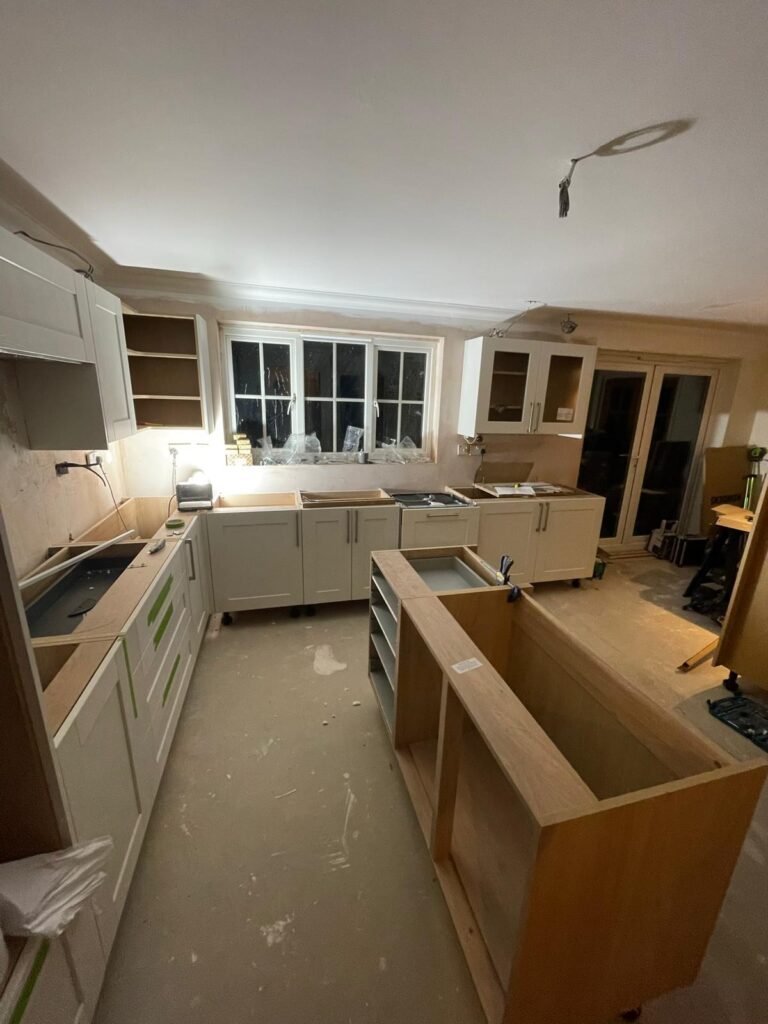
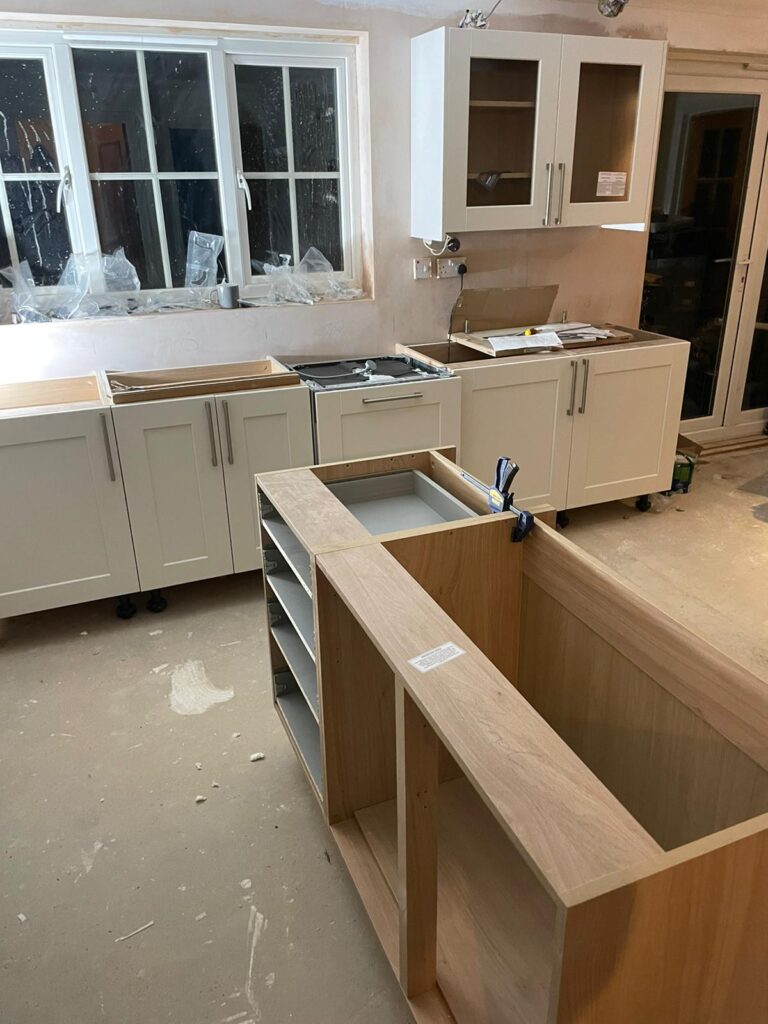
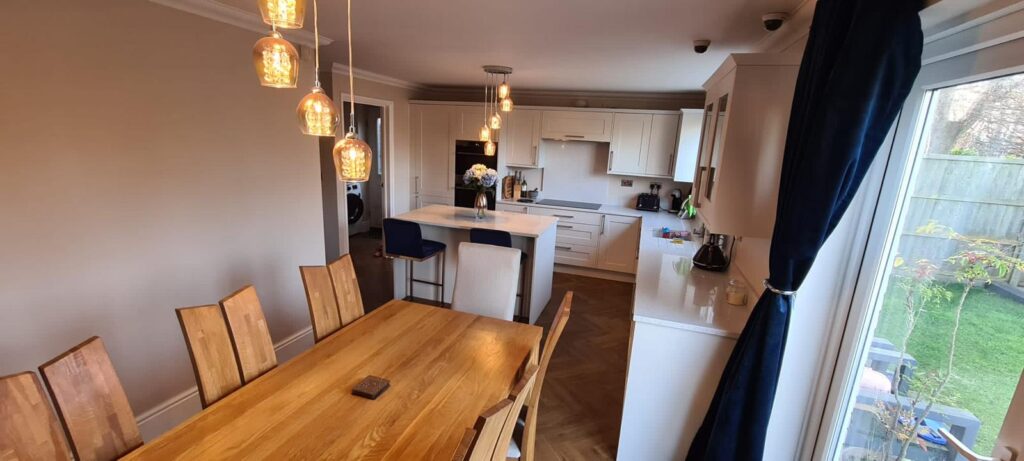
When planning kitchen or bathroom renovations, ventilation, extraction, plumbing and surface preparation should all be considered properly. It is not just about how the room looks. It needs to perform well every day.
Roofing Problems Can Lead to Damp Inside
If damp appears upstairs or near ceilings, the roof should not be ignored.
Loose tiles, worn flashing, blocked gutters or tired roof coverings can allow water into the property. Once moisture gets in, it can affect ceilings, timbers, plaster and insulation.
If you are renovating an older home, it may be worth checking the condition of the roofing before spending heavily on internal finishes.
Solving roof-related issues early protects the rest of the project.
Getting the Right Work Done Before You Renovate
Damp proofing is not always needed for every renovation, but damp should always be taken seriously if there are signs of a problem.
The right approach depends on the cause. Sometimes improved ventilation is enough. Other times, external repairs, damp treatment, new plastering or wider building work may be needed.
The most important thing is not to guess.
At 360 Renovations & Builders, we help homeowners across Lowestoft plan renovation work in the right order. That means looking beyond the surface, checking for issues early and making sure the finished work is built on solid foundations.
If you are planning a renovation and have noticed damp, musty smells, peeling paint or tired plaster, give our team a call or get in touch. We would be happy to talk through your plans and offer honest advice before work begins.

Do you need help from our experts?
Give us a call today to get expert advice and support from our experienced team.